Stocktake in Dealership: A Practical Operations Playbook
By MDMS Team · 15 August 2026

Stocktake in Dealership: A Practical Operations Playbook
The fastest, lowest-risk way to run a stocktake in dealership operations is a hybrid program: short-cycle counts for high-turn parts, VIN-verified full physicals for whole goods, and digital self-verification in between, all enforced under a Dealer Operating Standards Audit Programme (DOSAP) and tied to one dealer management system (DMS). Independent audits back this up. One RGIS engagement uncovered a 31.6% stock loss in a dealer’s parts and accessories inventory, a scale of shrinkage that never shows up in a spreadsheet count. Start with these four moves this week:
- Schedule a cycle count on your top 20% highest-turn parts SKUs
- Pull a full VIN list from your DMS for scheduled whole-goods physicals
- Enable mobile scanning and exception logging before count day
- Assign one finance owner to reconcile variances against floor-plan records
Key Takeaways
A hybrid stocktake program combining cycle counts, VIN-verified full physicals, and DOSAP-style governance is the most reliable way to protect dealership cash and floor-plan financing.
| Point | Details |
|---|---|
| Run a hybrid program | Combine cycle counts for parts with scheduled VIN-verified physicals for whole goods. |
| Independent audits catch real loss | Third-party counts have uncovered stock losses as high as 31.6% in dealer parts inventories. |
| Segregate duties on count day | Never let one person both count cash and reconcile it against the ledger. |
| Track KPIs against tolerance | Investigate any variance above 2% on critical parts immediately. |
| Use a unified DMS | Moderndms ties scanned counts, exception logs, and floor-plan reconciliation into one data model. |
Table of Contents
- Why a Dealership Stocktake Protects Cash and Floor-Plan Financing
- Which Stocktake Method Fits Parts vs. Whole Goods?
- How Do You Run a Stocktake Step by Step?
- What Tools Actually Speed Up an Accurate Count?
- Which KPIs Show Whether Your Inventory Is Under Control?
- How Do DOSAP Principles Strengthen Stocktake Governance?
- A One-Page Stocktake Checklist You Can Print Today
- How Do You Secure Cash and Prevent Theft During a Stocktake?
- Sequencing a Stocktake Rollout Without the Growing Pains
- Let MDMS Tie Every Stocktake to Finance and Operations
- Sources
- FAQ
Why a Dealership Stocktake Protects Cash and Floor-Plan Financing
Weak stock control hits three places at once: your cash position, your floor-plan exposure, and your customer service reliability. Every unit sitting on a floor-plan line that cannot be located or verified is a lender risk, not just an inventory nuisance. Parts that go missing from the shelf translate directly into stalled work orders and technicians standing around waiting on a component that the system says is in stock.
Hybrid audit models treat frequency itself as a risk lever. More frequent, lower-cost digital checks between physical visits catch drift before it compounds, according to research on audit frequency in asset finance. Dealerships that skip formal audit structure altogether tend to accumulate the same problems in nine interdependent operational areas, from parts accuracy to warranty exposure.
Business impact callout: A single missing high-demand part can idle a bay for a full shift. Multiply that across a busy service week and the productivity loss dwarfs the cost of running the count that would have caught it.
- Floor-plan lenders expect units to match what they financed, not what a spreadsheet estimates
- Carrying cost climbs quietly on aged, uncounted, or misplaced stock
- Warranty and fraud risk both rise when nobody independently verifies serial numbers
Which Stocktake Method Fits Parts vs. Whole Goods?
Not every part of your inventory needs the same counting rhythm. Fast-moving parts, slow-moving whole goods, and high-value units each carry different risk profiles, and the counting method should match that risk rather than apply one blanket process across the yard and the parts room.
Continuous cycle counting works best for parts. You count a rotating subset of bins on a fixed schedule (daily or weekly) instead of shutting down the whole warehouse once a year. Scheduled full physicals suit whole goods: a comprehensive count of every unit on the lot, usually quarterly or semiannually. VIN-based verification confirms that a specific serial number is physically where the DMS says it is, critical for floor-plan compliance. Outsourced simultaneous counts bring in a third party to count multiple sites at the same time, which prevents assets from being moved between locations to dodge detection, a real risk when independent verification isn’t built into the process.
| Method | Accuracy | Cost / Person-Hours | Disruption | Best Fit |
|---|---|---|---|---|
| Cycle counting | High for counted bins | Low, ongoing | Minimal | Parts, daily/weekly |
| Full physical | High if well-planned | High, concentrated | Moderate to high | Whole goods, quarterly |
| VIN-based verification | Very high | Moderate | Low | Units, floor-plan audits |
| Outsourced simultaneous | Very high, independent | Higher per event | Low (external crew) | Multi-site, high-risk |
Pro Tip: Pair cycle counts with a quarterly VIN full-physical. The cycle counts catch parts drift early, and the VIN check gives your lender the whole-goods confidence they actually ask for.
- Cycle counting scales cheaply but won’t catch a misplaced tractor
- Full physicals are thorough but pull staff off the floor for a day or more
- VIN audits are the gold standard for floor-plan reconciliation, not for parts bins
- Outsourced simultaneous counts cost more per event but remove internal bias entirely
How Do You Run a Stocktake Step by Step?
A dealership stocktake succeeds or fails in the planning stage. Rushed counts produce exception lists nobody trusts, and untrusted exception lists never get reconciled.
1. Pre-count preparation. Define scope up front: which locations, which asset classes, parts or whole goods or both. Freeze receiving and shipping windows around count day. Generate your VIN and parts lists straight from the DMS rather than last quarter’s export. Assign roles, print bin labels, and run a mock walk-through of your highest-risk locations (the yard corner where trade-ins sit, the high-value parts cage) before the real count.
2. Execution. Scan by bin location, not by memory. Every high-value item, a unit over a set dollar threshold, gets a two-person verification instead of a single scan. Log exceptions in the DMS in real time rather than on a paper pad you’ll transcribe later. Keep one sales or service lane fully staffed during the count window so customers never notice anything changed.
3. Post-count reconciliation. Every variance above your tolerance threshold gets investigated before it’s written off. Reconcile against floor-plan records and update your general ledger and fixed-asset register. Escalate unresolved variances to finance leadership rather than letting them sit in a spreadsheet.
| Role | Responsibility |
|---|---|
| Counts supervisor | Owns the schedule, assigns zones, signs off on completion |
| Floor finance lead | Reconciles counts against floor-plan and GL records |
| Parts lead | Manages bin accuracy and parts exception review |
| Service lead | Maintains customer-service continuity during the count |
| DMS operator | Runs scans, logs exceptions, exports reconciliation reports |
- Triage every exception within 24 hours: is it a scan error, a misplaced unit, or a real loss?
- Route confirmed losses to finance for write-off approval, not to the counting team
- Close the loop with a signed-off reconciliation report before the next count cycle begins
What Tools Actually Speed Up an Accurate Count?
Manual spreadsheets are where most dealership stocktakes go to die slowly. They work for a five-bay parts room. They fall apart the moment you’re tracking VINs across three lots, a rental fleet, and a service department pulling components mid-count.
Dedicated barcode and QR scanning kits solve the speed problem but often live in isolation. Counts get exported, then re-keyed into accounting, and re-keying is exactly where variance investigations lose credibility. A unified DMS that shares one data model across sales, parts, service, and finance eliminates that re-keying step and ties the count directly to floor-plan and asset records the moment it’s logged.
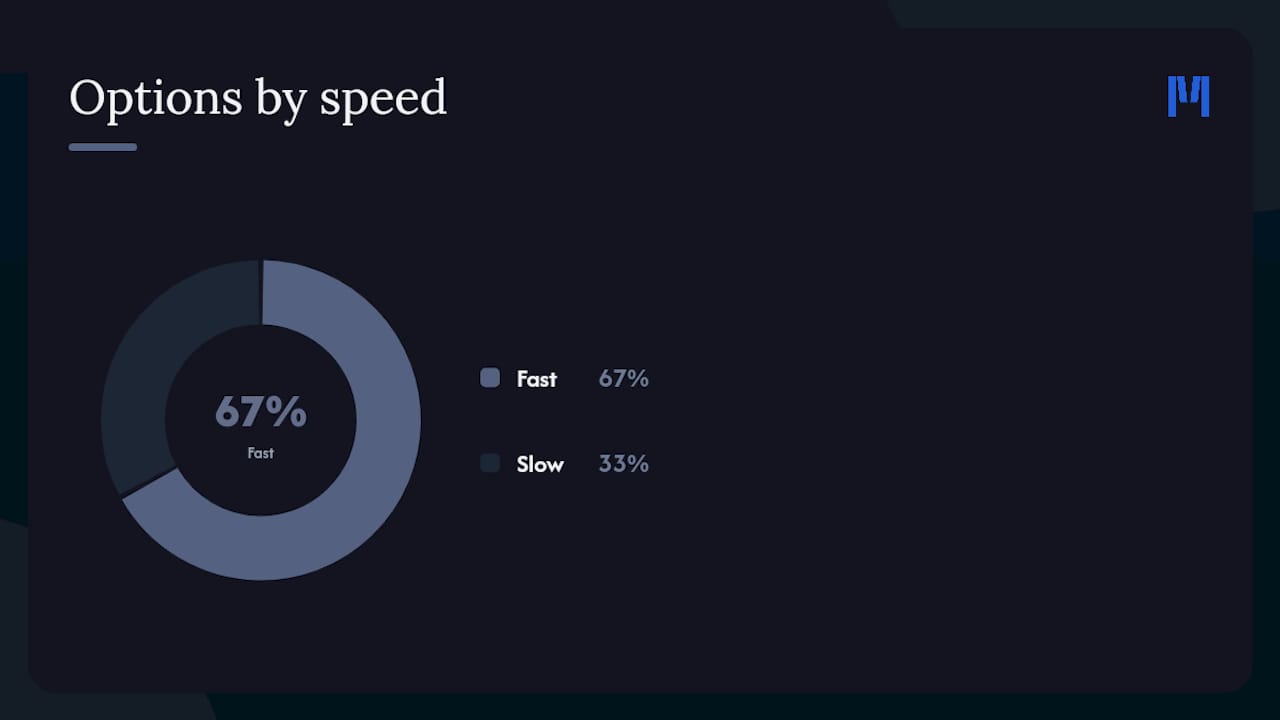
| Option | Speed | Error Rate | Finance Tie-In |
|---|---|---|---|
| Manual spreadsheets | Slow | High | None, manual entry |
| Dedicated scanning apps | Fast | Low | Requires separate export |
| Unified DMS with offline scanning | Fast | Low | Direct, real-time |
Moderndms connects offline-capable mobile scanning, VIN matching, and bin location management directly to your parts and warehouse module, so a scanned exception updates the same record your finance team reconciles against. No export file, no second entry.
Pro Tip: Pilot the platform on your single highest-turn parts location and one yard for whole-goods VIN checks before rolling it out across every site. You’ll surface your worst location-labeling habits fast, and fix them once instead of five times.
- Manual tools cost nothing upfront but bleed hours into re-keying and reconciliation
- Scanning apps speed the count but leave a gap between the scan and the ledger
- A unified DMS closes that gap and gives finance a live view of variance as it happens
Which KPIs Show Whether Your Inventory Is Under Control?
A count that never gets measured against a target is just an exercise. The KPIs below give you a tolerance line and a trigger for action.
| KPI | Target | Action If Out of Tolerance |
|---|---|---|
| Inventory turns, whole goods | 3 to 4 times per year | Review aged units for discount or transfer |
| Inventory turns, parts | 8 to 12 times per year | Adjust reorder points and stocking levels |
| Variance on critical parts | Under 2% | Immediate recount plus supplier verification |
| Fill rate on critical parts | Very high | Escalate to purchasing for stocking review |
Reporting cadence matters as much as the numbers themselves. During an active count, send a daily exception digest to the counts supervisor and finance lead. Once reconciliation closes, a weekly summary goes to department heads. Monthly, roll the KPIs up into a governance review with ownership and finance leadership present, the same forum where DOSAP-style audit findings get discussed.
- Track variance by location, not just company-wide, to isolate a problem site early
- Set a lower tolerance for critical, high-turn parts than for slow-moving accessories
- Review fill rate alongside turns, since low turns and low fill rate together signal a stocking mismatch, not just a counting problem
How Do DOSAP Principles Strengthen Stocktake Governance?
A single accurate count is a snapshot. A governance program is what keeps that snapshot from going stale. DOSAP-style controls give dealerships a standardized checklist, a documented PDCA (plan, do, check, act) cycle, and a fixed audit frequency instead of ad hoc counts triggered only when something feels wrong.
Standardized dealer audit programs have been linked to measurable cost savings, improved service quality, and a stronger continuous-improvement culture when integrated with PDCA cycles. The absence of that structure creates gaps across nine interdependent dealership functions, according to doctoral research on dealer network risk.
Hybrid audit models extend this further. Digital self-verification between physical visits lets you raise the effective frequency of checks without a proportional rise in cost, directing your physical audit hours toward flagged, high-risk locations instead of spreading them evenly.
- Bring in independent, outsourced simultaneous counts for multi-site verification or suspected fraud
- Lenders sometimes require third-party verification directly; treat it as a floor-plan requirement, not an option
- VIN-based third-party audits, the RGIS model among them, strengthen floor-plan reconciliation by confirming unit location and status independently of internal staff
A One-Page Stocktake Checklist You Can Print Today
Keep this on a clipboard or a tablet and work down it in order.
Pre-count: back up your DMS data, print VIN and parts lists, assign counting windows by zone, prepare labels and mobile scanning devices.
During count: scan strictly by bin location, tag every exception immediately, apply two-person verification to high-value units, and keep one customer-service lane fully staffed.
Post-count: reconcile every scan in the DMS, investigate any variance above your set tolerance, get sign-off from both finance and operations, and schedule the next cycle count or full audit.
- Never let a variance sit uninvestigated past 48 hours
- Never skip the mock walk-through for high-risk zones
- Never close a count without a documented finance sign-off
| Point | Details |
|---|---|
| Pre-count backup | Export current DMS records before the count starts so you have a clean baseline. |
| Two-person rule | Apply it to every high-value unit, no exceptions, regardless of location. |
| Sign-off requirement | Both finance and operations must sign the reconciliation before it closes. |
How Do You Secure Cash and Prevent Theft During a Stocktake?
Stocktake days concentrate risk. Staff are moving through areas they don’t normally access, drawers get opened for verification, and the usual routine oversight is disrupted, which is exactly the window opportunistic theft exploits.
Segregate duties before day one. The person counting cash or high-value parts should never be the same person reconciling the count against the ledger. Lock cash drawers and safes to a documented access log for the count window, with two authorized staff required to open either. Restrict physical access to the parts cage and finance office to the assigned counting team only, and log every entry.

Independent, simultaneous verification is your strongest control here. When a third party counts high-value or high-theft-risk categories at the same time internal staff count elsewhere, nobody has the opportunity to move stock ahead of the count team, a tactic that undermines sequential internal counts. This is also where VIN-based verification earns its keep on whole goods: a serial number either matches the record or it doesn’t, and there’s no gray area to exploit.
Document every exception with a timestamp and the name of the staff member who logged it. Exception logs that sit in the DMS, rather than on paper that can be altered after the fact, give you an audit trail that holds up if a variance turns into a formal investigation. Review the access log and exception log together at reconciliation, not separately.
Sequencing a Stocktake Rollout Without the Growing Pains
Roll this out in phases. Start with parts cycle counts to build the habit and clean up your location data, then move to VIN full-physical pilots on one lot, then extend to multi-site audits once the first two are running reliably. The most common failure isn’t the counting itself, it’s inconsistent bin-location rules and sloppy label hygiene that make every count harder than the last. Assign one finance owner to floor-plan reconciliation from day one so variances get followed through, not just logged.
Let MDMS Tie Every Stocktake to Finance and Operations
Most of what makes a stocktake painful isn’t the counting itself, it’s the gap between what gets scanned and what shows up in your books three days later. Moderndms closes that gap by design.
The platform runs offline-capable mobile VIN scanning that syncs the moment a device reconnects, so a count in a dead-zone corner of the yard doesn’t stall the whole team. Parts bin locations, exception logs, and floor-plan reconciliation all live in the same data model, which means your finance team sees a logged exception the same day it’s raised instead of waiting for an export. Setup takes under an hour, rollout is modular so you can start with parts alone, and the Xero integration means reconciled variances flow straight into your accounting without a second data entry pass.
If you’re weighing where to start, pilot a single-site parts cycle count on the equipment dealer management platform and see how much time your team gets back before you extend it to VIN full physicals across the rest of your locations.
Sources
For deeper reading on audit governance, DOSAP’s operational impact is documented in doctoral research on dealer network risk and in case-study evidence on PDCA-based audits. Hybrid auditing models are explained in this asset-finance risk analysis, and VIN-based multi-site verification is demonstrated in the RGIS stock verification case study. For cycle-counting technique, see this practical warehouse cycle counting guide.
- The Consequences of Audit Programme Absence: A Manufacturer’s Risk in Dealer Networks
- Audit Frequency: The Missing Variable in Asset Finance
FAQ
How Often Should a Dealership Run a Stocktake?
Run cycle counts on high-turn parts weekly or monthly, and schedule full VIN-verified physicals on whole goods quarterly, supplemented by digital self-verification between visits.
What Is VIN-Based Verification?
It’s the process of confirming that a unit’s serial number physically matches what the DMS and floor-plan records show, the standard method for whole-goods stocktake accuracy.
What Variance Level Should Trigger an Investigation?
Can a Unified DMS Replace a Physical Stocktake?
No. A platform like Moderndms speeds counting and reconciliation through mobile scanning and real-time exception logs, but physical verification of units and parts still has to happen on the floor.
When Should a Dealership Outsource a Stocktake?
Bring in an independent, simultaneous multi-site count when you operate several locations, suspect fraud, or when a floor-plan lender requires third-party verification.